Redefining the Ritual With King Tai
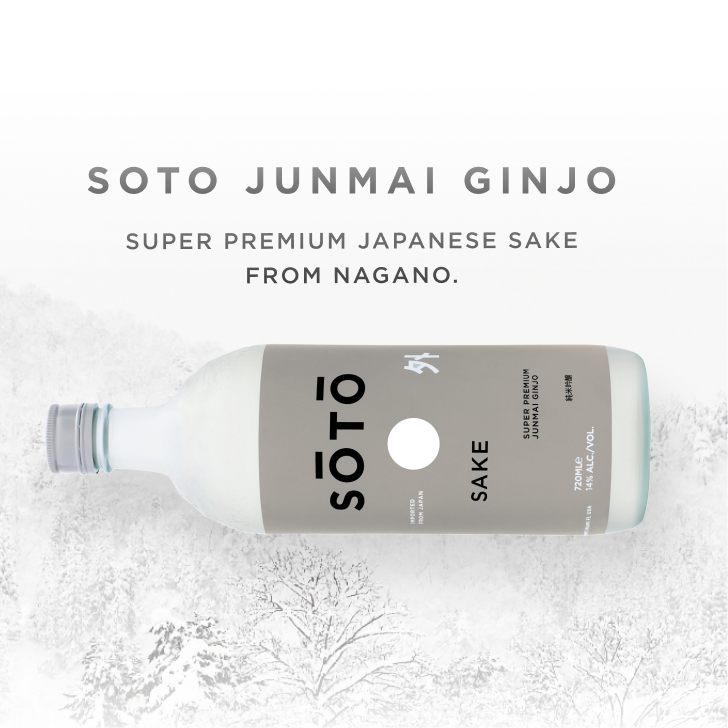
At SOTO, our mission has always been to bring the “outside” in – to take Japanese sake out of its traditional, expected settings and view it through a modern lens. We believe that true craftsmanship is an evolving conversation, it’s about challenging conventions, and giving timeless rituals a brand-new meaning.
To prove just how versatile SOTO’s premium pour can be, we’ve been expanding SOTO’s portfolio throughout the country.
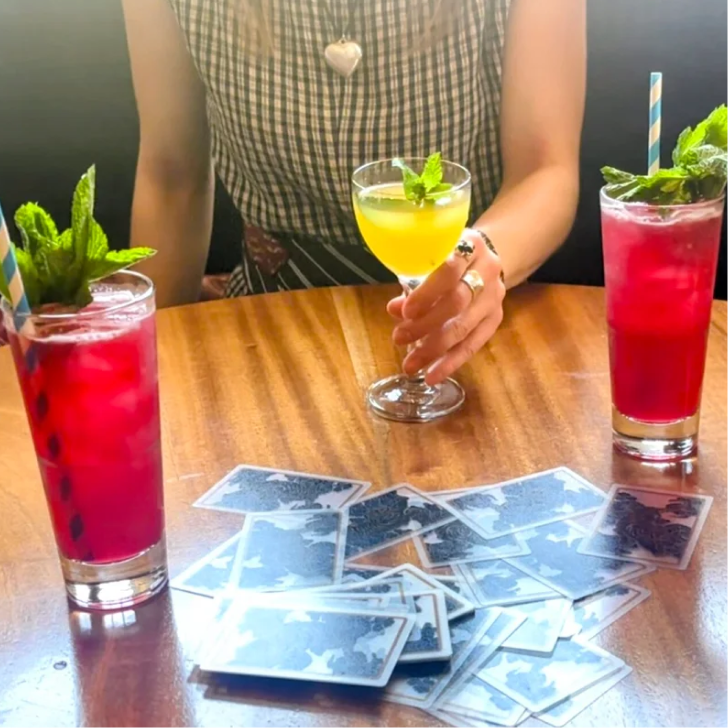
Our latest destination? Crown Heights, Brooklyn. We sat down with Dane Risch, the visionary owner behind King Tai: a sun-drenched, post-Deco neighborhood staple, to talk about breaking rules, the power of simplicity, and what happens when premium sake steps into the world of contemporary cocktail design.
– Please tell us about King Tai. We opened King Tai in 2015 as a foil to all the dark, neo-Victorian whiskey & gin-centric cocktail bars that had proliferated for so long at that time. We opted for a lighter and brighter color palette, more windows (we’re lucky enough to have them on all 4 walls), ceiling fans and we really leaned into a kind of post-Deco 1940’s Miami vibe. So naturally, Rum & agave spirits made more sense as a focus for our cocktail program. The wonderful neighborhood in Crown Heights where we are located welcomed us immediately, it felt like we were filling a vacuum that had existed because we were busy from day one, and our people have stuck with us for 11 years and counting…
– What do you look for when you go to a cocktail bar? The most important thing to me in any bar or restaurant situation is establishing a connection with my server or bartender, whoever it is I’m interacting with. If I enter a place and that person is too distracted to interact with customers, it’s a real let down. If they’re too busy, that’s fine, I don’t expect or need a conversation, but warmth and a proper greeting or just a gesture of acknowledgement goes such a long way to make me feel at home in a space.
– What reference and/or inspirations did you use when creating the cocktail program at King Tai Bar? Well we decided early on that “1940’s island vacation” was a good starting point for how we were going to approach our menu. At the time, there weren’t a lot of bars who embraced Rum, that was just around the corner, and even to this day selling Rum cocktails in NYC is a bit of an uphill climb–I mean Tequila and Mezcal are just so dominant that so many other great spirits get left behind. So Rum has always been important for us, it’s so versatile and fun, and cocktail opportunities can go from interesting Old Fashioned riffs to wild and crazy large format Tiki concoctions. “Tiki” was never something we aspired to, but we did get associated with its rise in popularity mostly because of our rum focus and the era we were born into. However, I have an innate dislike of big garnishes. Sometimes when you go out it feels like a beautiful garnish is the ultimate excuse for the existence of the cocktail itself, which is definitely the tail wagging the dog and I despise that. Simplicity is the key, and only employ a garnish if it’s adding a flavor or a nuance that is adding to the cocktail and that wouldn’t be there without it.
– How does seasonality influence the menu? Ha I always say King Tai is a great “non-seasonally influenced neighborhood cocktail bar” It’s always summer here. Middle of winter? Big summer fruits and flavors to remind people what they have to look forward to.
– How do the clientele’s tastes and preferences also influence your menu choices? Cocktail menus are to some degree a conversation between the proprietor and the target audience. We try to set the tone and aesthetic of our place, but we also try to appeal to as many people as we can so we pay attention to trends in the market and try to bring back a special if we get DMs asking us to do so. Martinis have become big again, and while we haven’t added one to our menu specifically, we make sure that King Tai is a place where a good Martini is standard. Menu building is balancing many pushes and pulls in all directions until you land somewhere where hopefully folks can find something they identify with.
– Have you ever used sake in cocktails before? Never! Very excited to have been introduced to Soto so we can finally break the seal!
Bringing SOTO into an environment like King Tai highlights exactly what we love about our brand’s trajectory: it challenges the senses and proves that premium sake can thrive anywhere there is an appreciation for balance, crisp flavor, and meticulous design.
If you find yourself in Brooklyn, stop by King Tai, grab a seat by the windows, and ask for SOTO.
And if you’re ready to bring the craft of modern sake mixology into your own home, explore our newly curated recipes over on the SOTO Cocktail Page today. Let the ritual set your pace.
Everything in balance. SOTO.